
A Hard Truth for Police Leaders: Poor Performers Do Not Get Better on Their Own
A Hard Truth for Police Leaders: Poor Performers Do Not Get Better on Their Own
By: Chief Scott Hughes
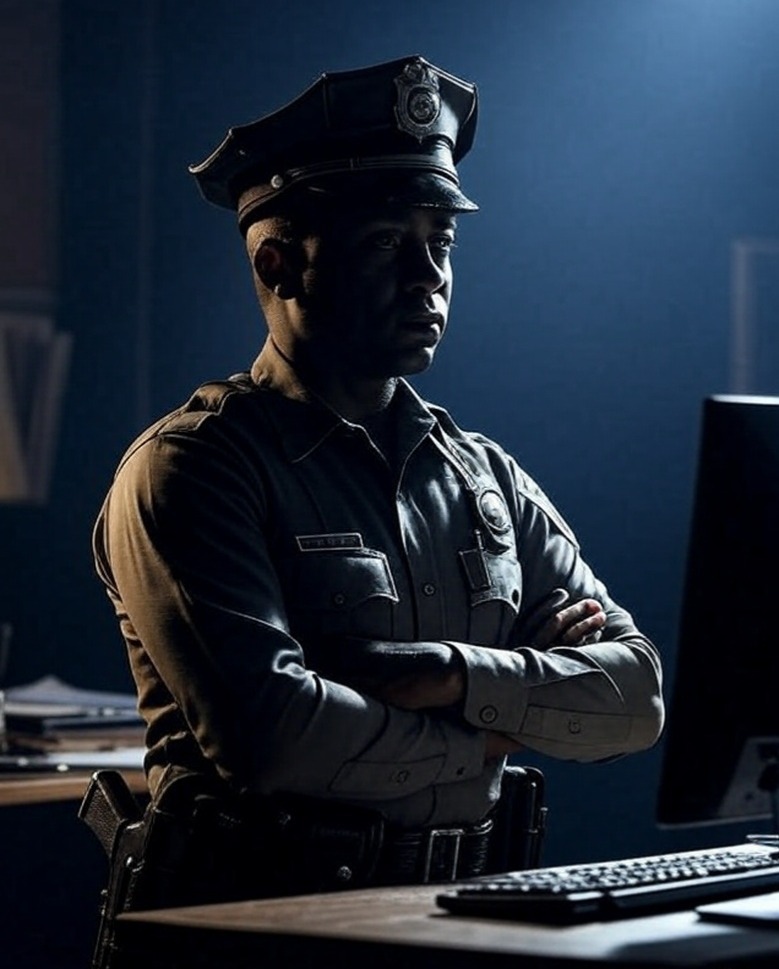
I taught a class recently and had that guy in the room - the one every instructor spots within five seconds.
Arms crossed.
Blank stare.
Refuses to engage.
Shows up late.
And ironically, he was probably the one who needed the training the most.
Every agency has this officer. Every officer knows precisely who he is. And whether leaders want to admit it or not, your entire organization is watching to see what you do — or don’t do — about him.
The Leadership Myth That Never Dies
There’s a persistent leadership myth in policing that goes like this:
“Just give it time. He’ll mature. He’ll eventually come around.”
No, he won’t.
Waiting for poor performers to magically evolve is a leadership fantasy.
People rarely “grow out” of behavior that no one confronts.
And here’s another uncomfortable truth:
You can be a victim once. After that, it becomes volunteering.
That applies to negative attitudes, toxicity, and choosing to show up every day wearing resentment like a badge. At some point, the mindset stops being something that happened to you and becomes something you’re actively participating in.
Leaders who ignore it aren’t being kind.
They’re being negligent.
Everyone Knows Who the Problem Employee Is
Let’s be honest: you don’t need brass on your collar to identify the chronically disengaged employee.
The 10-year patrol officer knows.
The dispatcher knows.
The FTO knows.
The brand-new officer knows within 48 hours.
They all know who:
-
Hides in the report room when the hot call drops
-
Is magically “unavailable” during anything risky
-
Hasn’t made a meaningful arrest since the early 2010s
-
Avoids responsibility with Olympic-level talent
Your people don’t expect perfection from leadership.
But they do expect action.
When they see inaction, the message is loud and clear:
“This is acceptable here.”
Culture is not shaped by what leaders announce.
It’s shaped by what leaders allow.
And Sometimes the Problem Employee Is Wearing Stripes
Here’s where it gets even messier:
Sometimes the problem employee is the supervisor.
The one who discourages initiative.
The one who spreads negativity like wildfire.
The one whose insecurities show up as micromanagement, hostility, or complete disengagement.
And what do their supervisors do?
Too often...nothing.
Some leaders refuse to address poor performance because they’re trying to win Mr. Congeniality. They want to be everyone’s friend. They don’t want to rock the boat.
But the truth is simple:
Your officers don’t need another buddy.
They need a boss who will actually lead.
When Coaching Fails, Leadership Must Act
There is no training topic, no conference, no online module that will fix someone who refuses to take ownership of their behavior.
You can guide them.
You can mentor them.
You can give them every tool available.
But if they still choose disengagement, negativity, or mediocrity?
You must intervene.
Not to punish, but to protect the officers who are doing it right.
Because here’s the part nobody wants to say out loud:
Good cops aren’t leaving the profession because of the job.
They’re leaving because of what leaders allow.
The Bottom Line
Doing nothing is a decision.
And it’s a decision with consequences; for morale, for culture, and for the people who show up every day ready to do the job the right way.
Leadership isn’t about avoiding discomfort.
It’s about confronting the behavior others pretend not to see.
Fix it, or own the consequences.
Your people already know who the problem employee is.
The only question left is:
Do they know where you stand?