
Accountability Isn’t Punishment, It's Protection
Accountability Isn’t Punishment, It's Protection
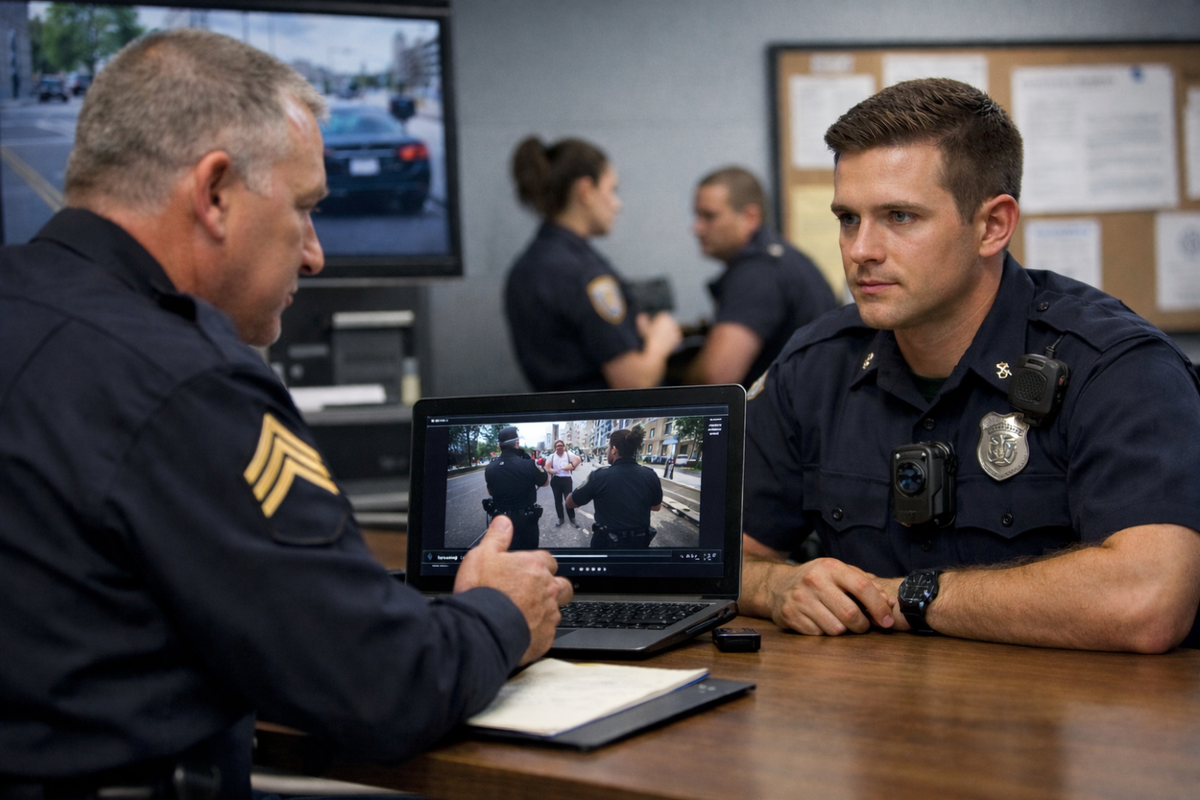
By: Chief Scott Hughes
Some officers today struggle with accountability.
Not because they’re bad people.
Not because they don’t care.
But because accountability has started to feel like punishment instead of what it’s supposed to be: leadership.
Let’s be clear.
Holding you accountable isn’t about write-ups, embarrassment, or flexing rank.
It’s about making you better. Protecting you. Making sure you go home.
When supervisors correct tactics, decision-making, report writing, or officer safety habits, they aren’t attacking you. They’re investing in you. They’re doing the uncomfortable work of leadership.
Because ignoring small issues today creates big problems tomorrow.
Most critical incidents don’t happen because someone didn’t care.
They happen because fundamentals slipped.
Seatbelts.
Radio discipline.
Weapon awareness.
Cover.
Communication.
Those don’t improve on their own. They improve when someone is willing to say:
“Hey, we need to fix this.”
That’s accountability.
The “No” Problem
Here’s another uncomfortable truth.
Some in this generation were rarely told “no.”
They grew up in environments where feedback was softened and consequences were minimized. They then entered a profession where decisions matter, mistakes carry weight, and lives are on the line.
That gap matters.
Law enforcement is not a participation-trophy profession.
It requires discipline, resilience, the ability to accept correction, and personal responsibility.
If you can’t handle being told you need to improve, this job will expose that weakness, usually at the worst possible moment.
Feedback isn’t disrespect.
It’s preparation.
Accountability Is About Readiness
We don’t just hold people accountable for policy.
We hold them accountable for readiness, mentally and tactically.
Because your partners depend on you.
Your family depends on you.
Your community depends on you.
Too often, correction gets mistaken for criticism.
But the best professionals welcome feedback. They understand that growth requires discomfort and that competence is built through coaching and repetition.
If your supervisor pulls you aside, it doesn’t mean you’re failing.
It means someone cares enough to help you improve.
If you’re an officer reading this: lean into feedback. Ask questions. Own mistakes early. The fastest way to build trust — and get better — is to be coachable.
Leaders Matter
Now, the hard part for those wearing stripes, bars, and stars.
Not all leadership is good leadership.
Some supervisors avoid tough conversations.
Some lack consistency.
Some correct emotionally instead of professionally.
Some never learned how to coach instead of criticize.
That’s on us.
But here’s another truth that doesn’t get talked about enough.
Some of these accountability conversations are tough. Personal. Uncomfortable.
And often, they happen because the leader actually cares.
In my experience, the hardest conversations usually aren’t driven by anger; they’re driven by belief. I’ve seen leaders “lose it” not because they were mad, but because they knew the person had more in them. Because they saw potential that wasn’t being lived out.
That doesn’t excuse poor delivery or emotional reactions, but it does matter.
Sometimes frustration sets in when a leader knows an employee is capable of more but sees them fall short.
Avoiding accountability because it’s uncomfortable isn’t compassion.
It’s negligence.
Done right, accountability builds confidence.
It builds competence.
It builds trust.
And it saves careers and lives.
Final Thought
We don’t hold officers accountable to punish them.
We hold officers accountable because this job is dangerous, unforgiving, and demands excellence.
To sharpen people before they’re tested.
To correct small things before they become big ones.
To protect lives, including their own.
Accountability isn’t the problem.
Avoiding it is, and that is where people get hurt.